Search is rapidly evolving, as seen over the past few years. Last year, we saw the rise of AI-driven SEO, generative search results, and multi-platform visibility beyond traditional blue links.
Staying ahead of SEO trends in 2026 is critical to protect your visibility, traffic, and revenue in an increasingly competitive landscape.
Recognizing the key shifts shaping the future of SEO and how to respond strategically can determine whether you gain visibility or fall behind your competitors.
Why SEO Trends Matter More Than Ever

Competition is growing, and we can expect Google’s algorithm to change in 2026. Each update reshapes how content ranks and how users discover information.
Businesses that don’t adapt risk reduced visibility, which then leads to less traffic, fewer conversions, and gradually declining authority and, ultimately, risk of falling behind competitors.
Key SEO Trends Reshaping Search in 2026
Let us break down the latest SEO updates and trends, and how you can take action on them.
Trend 1: AI-Driven SEO Gets Smarter
Search engines have moved beyond simple keyword matching. Tools like Google’s Gemini and Search Generative Experience now analyze content semantically.
The growing role of AI in SEO means search engines focus on understanding intent, meaning, and content relationships. To rank well in this environment, you should:
- Write in clear, conversational language
- Use schema markup where appropriate
- Organize content around topics, not isolated keywords
Trend 2: Search Intent Over Keywords
Search intent optimization now drives rankings. Google wants to match results to what users actually need—whether they’re researching, comparing options, or ready to take action.
Instead of merely using keywords, focus on why someone is searching what they are searching and align your content accordingly. Semantic SEO plays a role here. It helps search engines understand context and relationships between topics. To apply this:
- Audit older blog posts and align them with updated intent
- Use clear headings that answer specific questions
- Place key answers early in your content
Trend 3: Experience-Driven E-E-A-T Signals
As AI generates more generic content, Google continues strengthening its EEAT SEO strategy—Experience, Expertise, Authoritativeness, and Trustworthiness.
Firsthand insights, case studies, and practical experience outperform surface-level summaries. Balancing high credibility with engaging, readable storytelling is the key to winning in 2026. To strengthen your E-E-A-T signals:
- Add author bios with credentials
- Include data-backed insights and original commentary
- Share client results and practical examples
Trend 4: Visual and Video SEO as Ranking Catalysts
Google’s algorithms prioritize websites with visual content, especially videos, because they increase dwell time, boost engagement, and reduce bounce rates. In fact, research shows that video content is also 53 times more likely to rank organically in search results than plain text.
Marketers must treat video and visual assets as SEO tools, not just design elements, as visual search optimization continues to grow. Here are ways to implement this:
- Add descriptive alt text to images
- Use video schema markup
- Include captions and transcripts for accessibility
- Ensure videos load fast on mobile devices, and refer to Google’s mobile-first indexing
Trend 5: Core Web Vitals 2.0 and UX Performance
Technical performance remains foundational to long-term SEO success. In 2026, Core Web Vitals will continue to focus on load speed, visual stability (CLS), and improved responsiveness, including Interaction to Next Paint (INP).
A good Core Web Vitals score improves both rankings and user experience. To achieve a solid score, you should:
- Improve page speed with compressed images
- Reduce layout shifts by defining image sizes
- Optimize scripts to improve responsiveness
- Prioritize mobile-first design
Trend 6: Zero-Click Searches and SERP Features
Zero-click search keeps growing as users get answers directly on the search engine results page (SERP) through featured snippets, People Also Ask boxes, AI summaries, and local packs.
You may not always earn the click, but you still build brand authority and visibility by optimizing for zero-click search. Here’s how:
- Use structured data to qualify for snippets
- Format content with clear question-and-answer sections
- Monitor SERP features regularly to adjust strategy
How to Adapt Your SEO Strategy for 2026
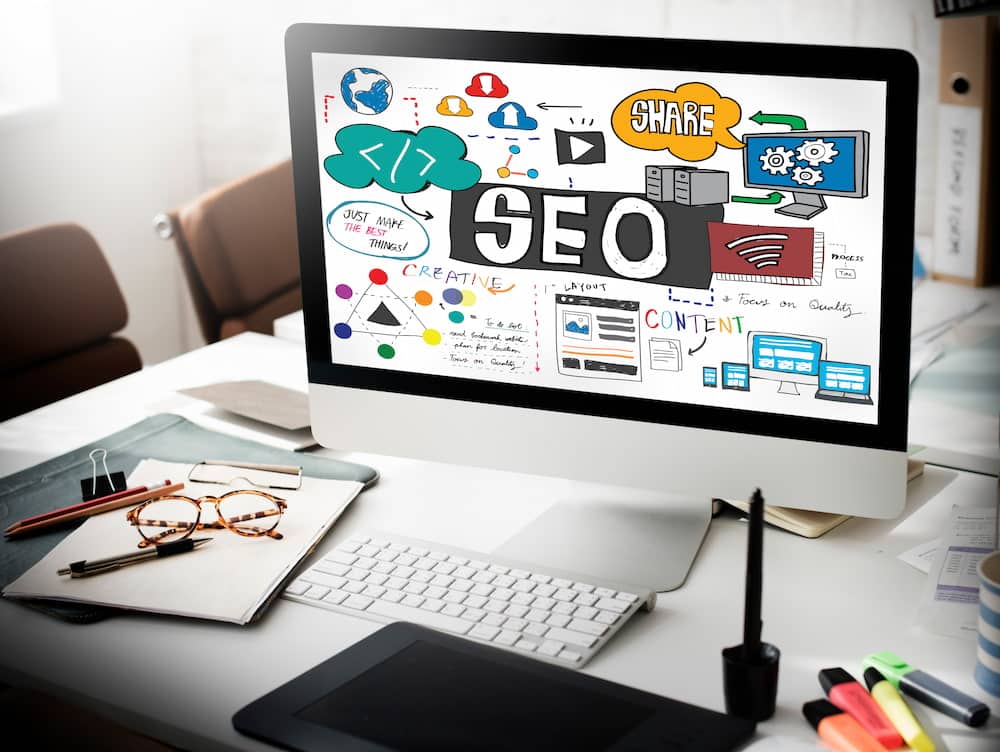
The next step after understanding the SEO trends in 2026 is to put them into action in your strategy. Don’t panic—you don’t need to rebuild everything, but you need to refine and adjust your approach.
- Stay updated on search algorithm changes from Google Search Central and trusted SEO sources to adjust content and technical SEO.
- Update old content to match search intent, improve structure, and add depth to maintain relevance.
- Focus on mobile and visual content by ensuring your site works well on phones, loads quickly, and includes relevant images or videos to enhance discoverability.
- Build quality backlinks from trusted, relevant websites in your industry or local area to improve your credibility and rankings.
Common SEO Mistakes to Avoid in 2026
Even the best strategy can fail if you overlook the basics. Watch out for these mistakes, as they can quietly lower your visibility and hurt your rankings:
- Over-optimizing keywords instead of intent.
- Ignoring AI-driven search visibility.
- Neglecting Core Web Vitals and UX signals.
- Relying on low-quality backlinks.
- Publishing thin, repetitive content.
Frequently Asked Questions
1. What is the biggest SEO trend in 2026?
AI-driven search is the main trend in 2026. Search generative experiences are now mainstream. Search engines prioritize context, authority, and user experience over simple keyword density.
2. How does AI impact SEO strategy?
AI in SEO changes how content is analyzed and ranked. Search engines now rely heavily on E-E-A-T signals to identify high-quality, trustworthy content.
Marketers and business owners can focus on strategies like generative engine optimization (GEO) and AI Overview optimization, where you structure content so AI can easily understand, summarize, and feature it in search results.
3. What are zero-click searches, and how can I rank for them?
Zero-click searches provide answers directly on the results page through snippets, knowledge panels, and AI Overviews, with no clicks required. To rank, focus on structured data, concise answers, optimized headings, and local SEO.
4. How important is video content for SEO rankings?
Video content improves engagement and increases the chance of appearing in rich results. Proper optimization, including schema and captions, boosts visibility.
5. How do I optimize my content for search intent?
Identify whether users seek information, navigation, commercial, or transactions. Then tailor your headings, structure, and CTAs to match that purpose.
The goal is to align your content format, topic, and level of detail with what users want to achieve. It may sound simple, but it requires research, planning, and consistent optimization.
Final Thoughts
Search isn’t slowing down, and neither should your strategy. Staying ahead of SEO trends in 2026 ensures your brand remains visible, competitive, and ready for evolving search behavior.
Don’t wait for traffic to drop before you act. Let Marketing Done Right help you in refining your SEO strategy today to protect your rankings, strengthen engagement, and future-proof your digital presence.