Did you notice that the Q&A section quietly disappeared from your Google Business Profile? You’re not imagining it—Google has removed the Google Q&A feature.
The removal of Google Maps Q&A may not have made headlines, but it represents a significant shift in how local businesses connect with customers and manage their visibility. The feature is gone, replaced by an “Ask” button powered by AI responses.
This blog breaks down what changed, why it matters, and how your business should respond.
A Quiet Update With Big Local SEO Implications
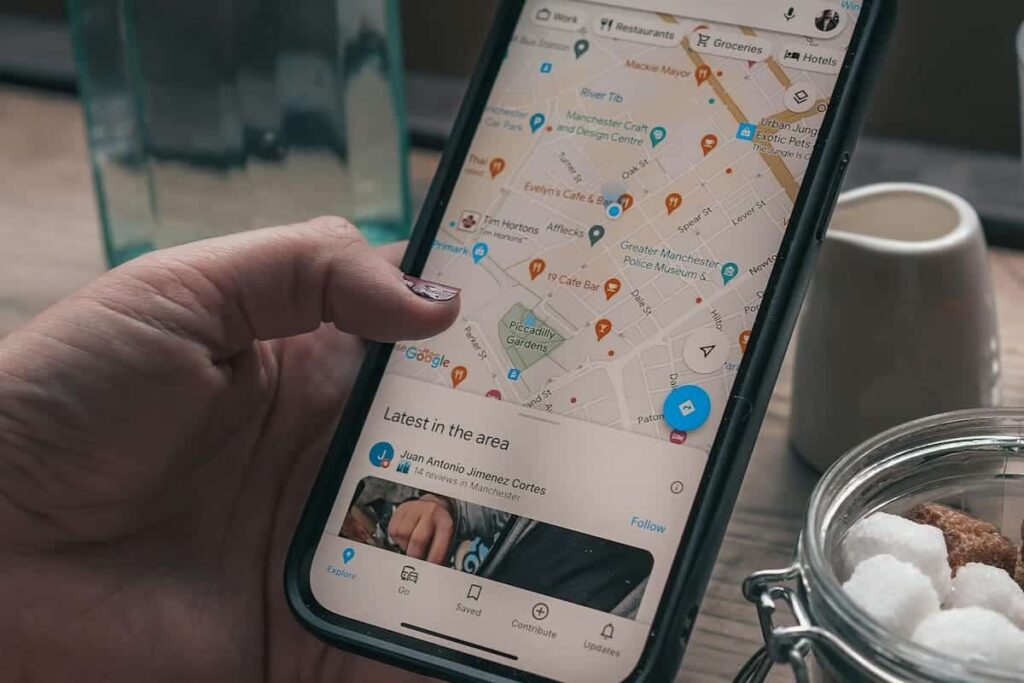
Local businesses used Google Maps Q&A to answer pre-purchase questions, address concerns, and guide customers in real-time. While it didn’t directly impact rankings, it supported business visibility and local search discoverability by boosting engagement and intent signals.
So what changed? Google quietly replaced the Q&A section with an AI-powered “Ask” button. Instead of human answers, customers now receive AI-generated responses pulled from:
- Business-provided information
- Previously answered questions
- Relevant customer reviews
This move signals yet another AI-first experience from Google. It shifts how users interact with listings, which means local search engine optimization (SEO) now impacts how well you maintain your profile, craft content, and support how AI interprets your business.
What Was Google Maps Q&A, and Why Did It Matter?
Launched in 2017, the Google Business Profile Q&A feature allowed users to post public questions directly on Google Maps. Google designed the platform for anyone—including the business owners themselves—to answer questions.
Customer Convenience
The Q&A feature gave customers a quick way to ask practical, pre-purchase questions, like business hours, parking availability, service inclusions, or return policies. It eased decision-making by offering real-time, user-generated answers within Google Maps.
SEO and Engagement Value
Although not a direct ranking factor, the Q&A section contributed to user engagement signals that influence local SEO. It increased dwell time, encouraged interaction, and offered additional context that helped Google better understand a business’s relevance to local searches.
Trust and Credibility Signals
Answered questions signaled responsiveness and transparency, building trust with potential customers. A well-managed Q&A section reassured users that the business was active, reliable, and attentive to customer needs.
Why Did Google Remove the Q&A Feature?
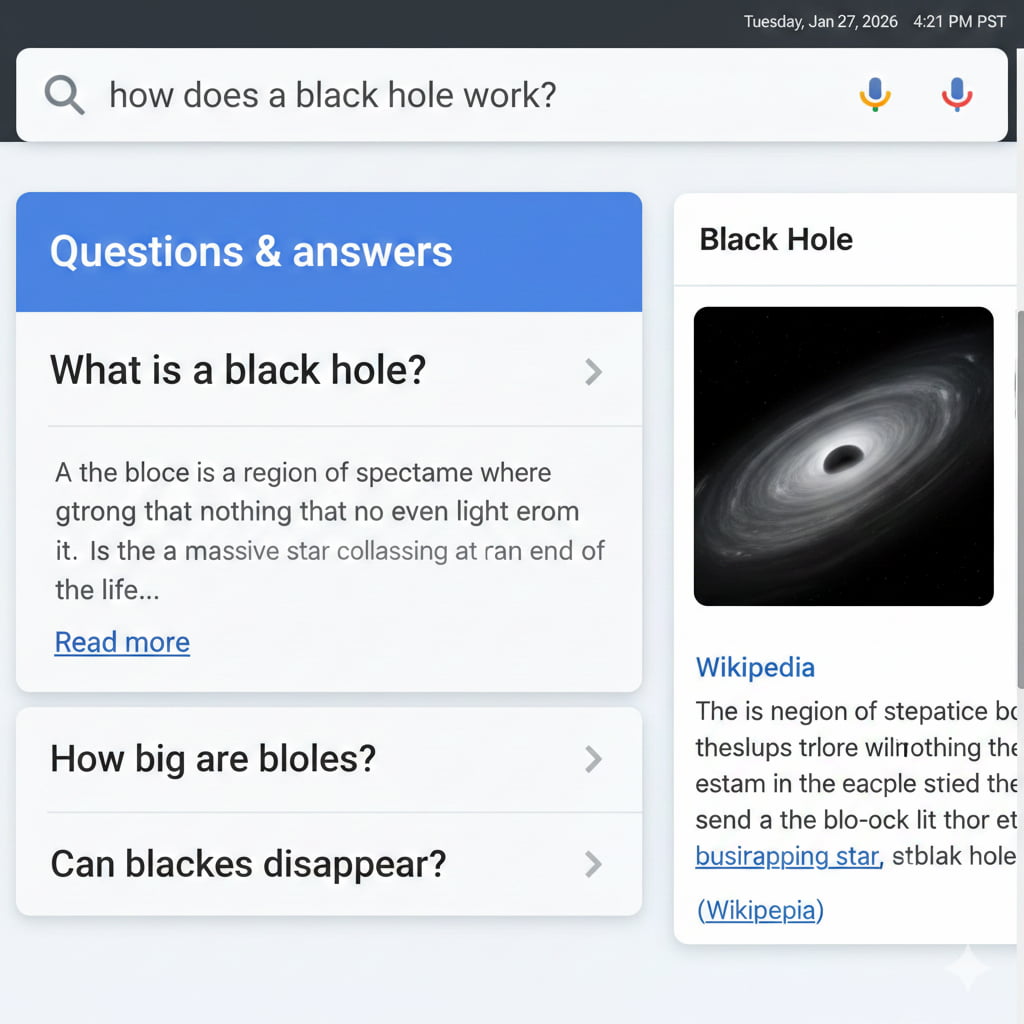
The removal of Google Maps Q&A was driven by a combination of user feedback, moderation challenges, and the platform’s evolving AI-first strategy. Google cited concerns over outdated content and user experience as key reasons for discontinuing the feature.
Content Moderation and Spam Issues
Over time, the Q&A section became cluttered with spam, outdated responses, and irrelevant content. Google expected businesses to moderate answers, but many failed to regularly oversee the section, allowing random users to post unrelated or misleading replies.
Low Business Adoption
Many businesses didn’t actively manage their Q&A sections, leaving questions unanswered or outdated. This lack of engagement from the business owners’ end reduced the feature’s usefulness and made it harder for customers to find reliable answers.
Shift Toward AI and Search Generative Experience (SGE)
Google is shifting toward conversational, AI-driven experiences using Gemini. These updates emphasize real-time, context-aware responses generated from structured business data, such as your Google Business Profile, website content, customer reviews, and past interactions.
This evolution is reshaping the search engine results page (SERP), prioritizing direct answers over traditional link listings.
What Does the Google Maps Q&A Removal Mean for Your Business?

The removal of the Q&A feature alters how businesses connect with curious, high-intent customers. The impact depends on how your customers interact with your listing.
Loss of a Key Visibility Touchpoint
With Q&A gone, businesses lose a once-prominent space to answer pre-sale questions directly on Google Maps. This reduces the brands’ passive visibility from users who are not actively searching beyond the listing.
Reduced Pre-Purchase Clarity
Users relied on the Q&A section for quick answers before visiting or making a purchase. Without it, they may experience friction or uncertainty, potentially leading them to choose competitors with clearer information.
Increased Reliance on Other Channels
Businesses must now rely more on websites, social media, review responses, Google Posts, and updated Google Business Profile content. These elements become essential for guiding customer decisions and maintaining a strong local search presence.
How to Adapt to Google Maps Q&A Removal: 5 Smart Moves
The loss of the Q&A feature means it’s time to rethink your local search strategy. These five moves can help you maintain strong customer engagement and stay visible in evolving search experiences.
Strengthen and Expand Your Website FAQ Page
Anticipate your customers’ top concerns and reflect them in a well-structured FAQ section. Use FAQ schema markup to increase your chances of appearing in rich snippets and adapting to SERP feature changes.
Use Google Posts to Answer Common Questions
Leverage Google Posts to share time-sensitive updates or clarify recurring customer concerns. This tactic helps replace the lost Q&A space while keeping your profile fresh and informative.
Monitor and Respond to Reviews Strategically
Your reviews now play a bigger role in answering unasked questions. Responding with clarity and professionalism can shape customer intent signals and strengthen your online reputation.
Encourage Direct Contact and Messaging
Make it easy for customers to reach out directly through call, message, or booking options. Personalized responses often build trust more effectively than a public Q&A ever could.
Leverage Third-Party Platforms
Expand your presence on platforms like Yelp, Facebook, and niche industry directories. These listings provide added visibility and reinforce your local search authority beyond Google alone.
Who Is Most Affected by the Google Q&A Removal?
With the Google Q&A feature removed, some industries will feel the impact more than others. Here’s how the change affects specific sectors:
- Restaurants: Diners frequently asked about menu options, business hours, dietary accommodations, and reservation policies.
- Home Service Providers: Potential clients used Q&A to confirm service areas, availability windows, and estimated costs.
- Retail Stores: Shoppers looked for quick answers about parking, product availability, store policies, and return procedures.
Frequently Asked Questions About Google Maps Q&A Removal
1. When did Google remove the Q&A feature from Maps?
Google discontinued the Q&A API on November 3 and began gradually removing public-facing Q&As from listings on December 3.
2. Why did Google remove Google Maps Q&A?
Google cited user feedback, spam issues, and outdated responses as key reasons. The shift also aligns with Google’s broader move toward AI-powered, real-time answers through features like “Ask.”
3. Can businesses recover old Q&A content?
Yes, you can still access and respond to existing Q&As in your Google Business Profile. These entries may continue informing AI-generated answers on Maps, even if the section is no longer public-facing.
4. What replaces Google Maps Q&A for customer questions?
The new “Ask” button on Maps and Search provides AI-generated responses using your business profile, past Q&As, and customer reviews. Google aims to deliver fast, relevant answers through this conversational interface.
5. Is the FAQ schema still useful after this update?
Absolutely. Adding FAQ schema to your website boosts your visibility in search results and improves how AI-powered systems feature your content. It also supports your overall local SEO strategy.
The Q&A Is Gone, but Your Visibility Doesn’t Have to Be
The Google Maps Q&A removal doesn’t mean losing visibility. Focus on structured content, active engagement, and clear communication to stay present in local search.
\Need help adapting your strategy? Partner with Marketing Done Right to maintain a strong digital presence and keep your business competitive.
Visibility is still yours to own. Contact us today.