Tired of juggling a dozen tabs to understand where your traffic comes from? Search Engine Optimization (SEO) dashboards, social analytics tools, and web insights often force marketers to piece together the full picture manually.
Enter the Search Console unified site and social view—Google’s latest answer to fragmented performance reporting. This feature brings your website and selected social data together in one place, offering a clearer, more actionable view of your search visibility.
In this blog, we’ll walk you through how it works, why it matters, and how digital marketers can make the most of this new Google Search Console feature.
The Cross-Channel Clarity Marketers Have Been Waiting For

On December 8, 2025, Google introduced an experimental feature in Search Console: a unified view of website and social channel performance. This tool was built to simplify multi-channel reporting and reduce the blind spots marketers face when tracking SEO and social visibility.
In today’s digital landscape, discoverability spans more than just organic search. Users encounter your brand across various channels, including Google Discover, news sites, and social media platforms. Until now, marketers had to bounce between platforms to gather insights.
This unified performance tracking view offers a practical solution—bringing key search data and social visibility into a single dashboard. It’s a step toward making cross-channel analytics more strategic and less complicated.
What Is the Search Console Unified Site and Social View?
The unified site and social view is a new report within Search Console that surfaces performance data from your website and select social channels. Think of it as Meta Business Suite, Hootsuite, or AgoraPlus, but broader, better, and more simplified, built for marketers who want to see the bigger picture.
When web and social analytics live in separate tools—as they often do—marketers struggle with fragmented insights, attribution confusion, and duplicated reporting efforts. Key connections, such as how a social post sparks branded search or how a blog drives video engagement, can easily go unnoticed.
These silos make it harder to link actions to outcomes and slow confident decision-making.
Google launched this experiment to close the gap between web and social search visibility. The report pulls performance data from your site and from verified social platforms that Google can associate with it.
This feature doesn’t replace Google Analytics (GA4), which tracks user behavior and conversions, but complements GA4 by emphasizing discoverability, visibility, and engagement signals within Google Search Console features—helping marketers identify where attention begins before detailed analytics take over.
How the Unified View Works Across Channels

Since the Search Console unified site and social view is still in an experimental phase, access is limited to websites and social channels that it has automatically identified. Here’s how it works and what to expect:
Types of Data Included
The unified view pulls in a variety of data sources to give marketers a clearer picture of where visibility and engagement originate across Google platforms.
- Organic Search: Shows how users find your website through traditional Google Search results
- Google Discover: Highlights content performance in personalized Discover feeds based on user interests
- Google News: Surfaces visibility and engagement for content appearing in Google News placements
- Verified Social Properties: Includes performance data from linked social channels, such as YouTube or LinkedIn, where applicable
Key Unified Metrics
The unified view presents familiar performance metrics across each channel to help marketers compare visibility at a glance:
- Total reach: Measures combined clicks and impressions, driving traffic from Google to your site or social profiles
- Content performance: Identifies top-performing and trending pages or posts across channels
- Search queries: Shows the queries leading users to your website or social properties
- Audience location: Reveals the countries where users engage most with your content
- Additional traffic sources: Captures clicks from Image Search, Video Search, News Search, and Discover
Why This Matters for Multi-Channel Reporting
Unified data isn’t just convenient—it’s a strategic advantage. When marketers can evaluate search and social media side by side, they make faster, more informed decisions.
Better Attribution Signals
When all your data lives in one place, it’s easier to understand how one channel influences another. While it’s not a full attribution model, this view reveals critical touchpoints and interactions that traditional siloed tools often miss.
Clearer ROI and Content Performance
With consolidated marketing data, marketers can pinpoint which content drives visibility, clicks, and engagement across multiple platforms. This simplifies cross-channel analytics and improves how teams allocate budget and optimize strategy.
Benefits for Different Marketing Roles
Whether you focus on SEO, content, or social media, the unified view gives you insights that help you work smarter—not harder. Here are the various digital marketers who can benefit from the unified analytics dashboard and how they can leverage this feature.
SEO Specialists
The unified analytics dashboard gives SEOs better visibility into how content performs in Google Discover, news, and traditional search. This helps refine keyword strategies, optimize content structure, and track high-intent visibility signals more effectively.
Social Media Managers
Now you can see how social media profiles contribute to search exposure—without jumping from one platform to another. This integration connects your social media content strategy with organic reach, helping you align campaigns with what drives actual search engagement.
Content & Reporting Teams
Say goodbye to stitching together spreadsheets from different platforms. With website and social data integration, marketers get accurate, cross-platform metrics in one place—making it easier to evaluate campaigns, content effectiveness, and long-term performance trends.
Getting Started With Unified Site and Social View
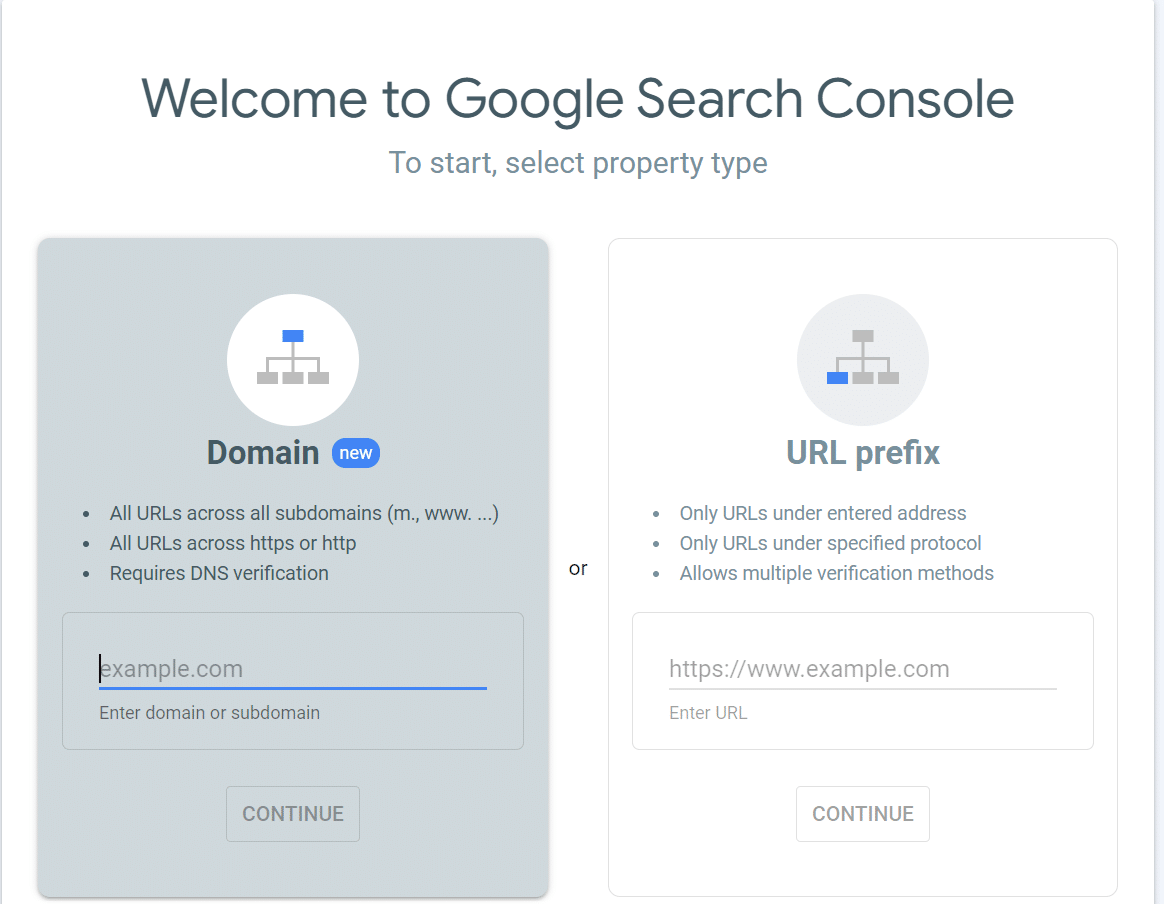
Here’s how you can get started with the unified view:
Verification and Setup
First, verify your website in Search Console. Google will then prompt you to add social channels that it has automatically identified and associated with your site, simplifying the initial setup process.
Filters, Comparisons, and Use Cases
Use filters to isolate performance by platform, content type, or time frame for deeper insights. Compare website and social data side by side to uncover performance patterns, spot channel-specific trends, and refine your content strategy accordingly.
Real-World Example of Unified Reporting
Imagine this: your brand publishes a blog post that starts gaining traction on Google Search, surfaces in Discover, and gets shared on your verified LinkedIn profile.
With the unified view, you can see the full picture—how that content performs across all these touchpoints in one place. Instead of switching between platforms or stitching together reports, you get a streamlined view of total clicks, top search queries, and engagement trends.
These insights help you optimize content timing, tailor messaging to each channel, and allocate your promotional efforts more effectively based on actual performance.
Frequently Asked Questions (FAQ)
1. What data is included in the Unified Site and Social View?
According to Google, the insights will display the following metrics for each channel:
- Total reach
- Content performance
- Search queries
- Audience location
- Additional traffic sources
2. Can I compare website and social performance in one report?
Yes. The unified view presents side-by-side data from your site and linked social channels, making it easier to identify which platforms drive visibility and engagement. You can also use filters and comparisons to track patterns or shifts in performance over time.
3. Does this replace Google Analytics?
No. This feature complements Google Analytics but doesn’t replace it. It focuses on Google Search Console features—specifically discoverability and visibility from Google surfaces—not on-site behavior or broader campaign attribution.
4. Is this useful for agencies managing multiple clients?
Definitely, agencies can use the unified view to quickly assess cross-channel performance for each verified client, reducing reporting time. It supports more cohesive insights across web and social efforts tied to Google Search.
5. Is the feature available to all Search Console users?
Not yet. This is currently an experimental feature and is only available to properties and social channels automatically identified by Google. If eligible, your account will receive a prompt within Search Console to access the view.
Smarter Reporting for Smarter Marketing
The Search Console unified site and social view offers more than convenience. It unlocks cross-channel visibility and empowers marketers to act on performance insights with confidence.
If you’re ready to simplify your reporting and align your content, SEO, and social efforts in one smart strategy, this tool is your next best step.
Want help integrating it into your local search strategy or campaign workflow? Partner with Marketing Done Right. We’ll help you leverage the latest tools for unified success.